

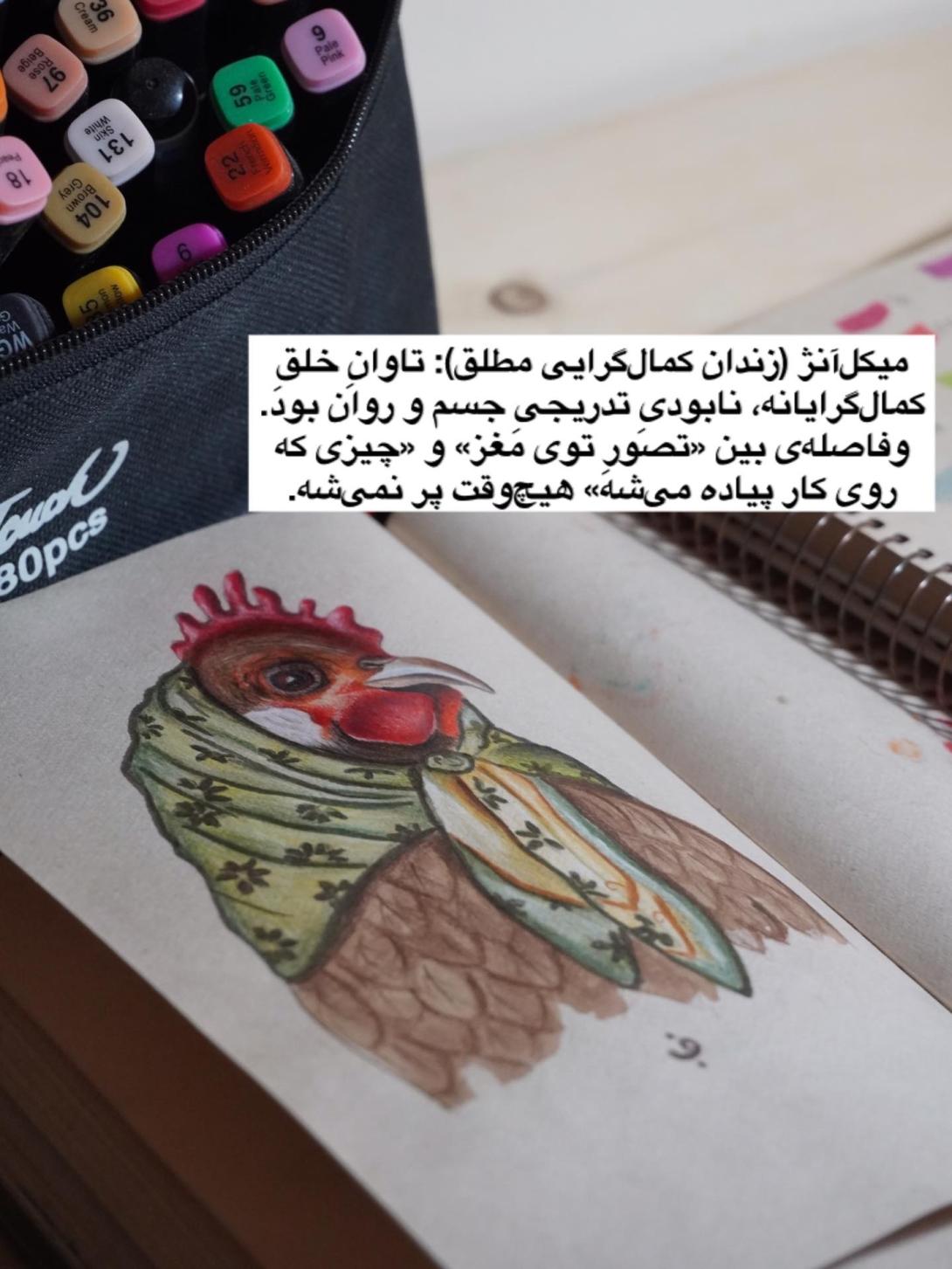
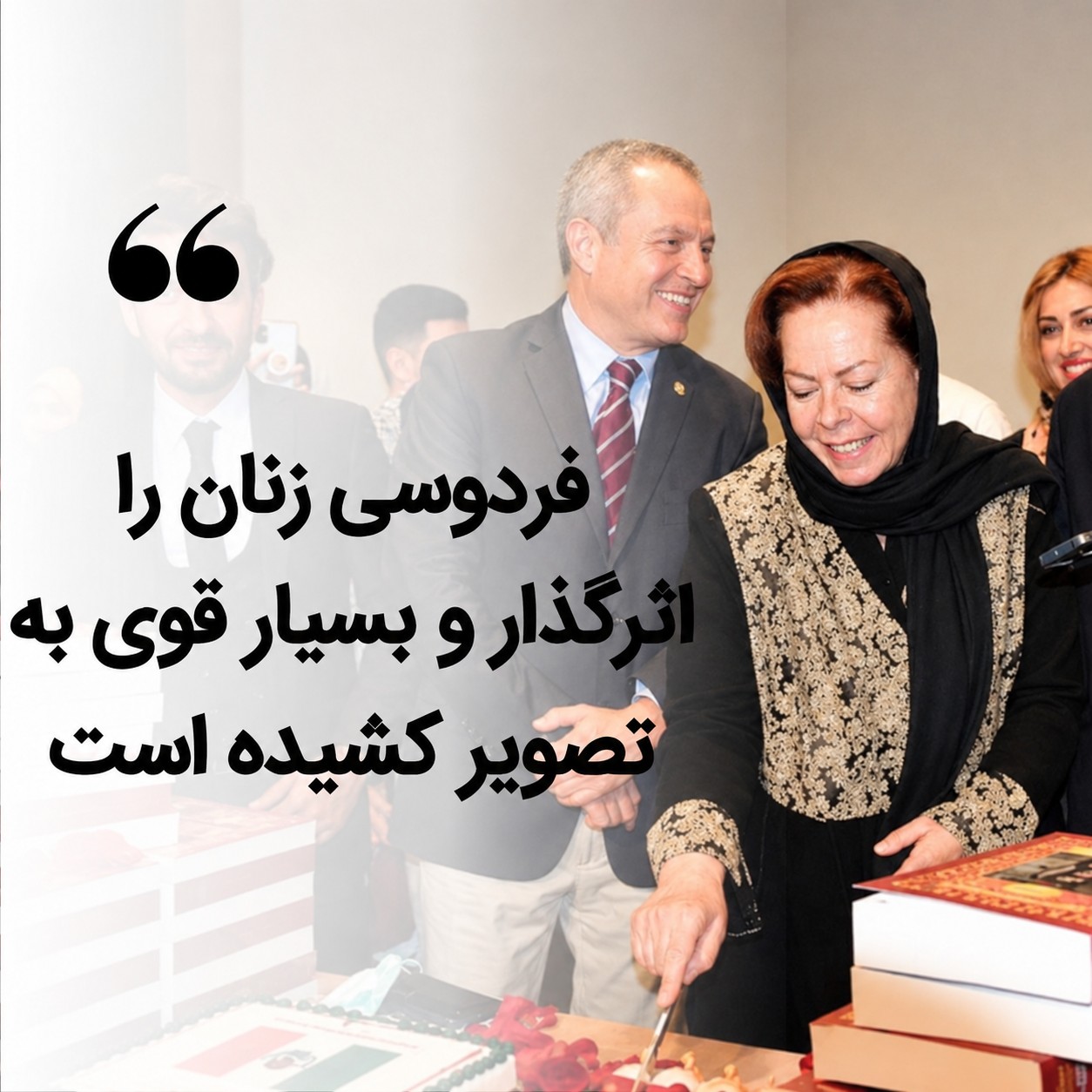
Ferdowsi portrays women as highly influential and remarkably strong—whether they appear as wives, mothers, or daughters. They are, without exception, capable and impactful figures. Unlike the prevailing culture in Western classical literature, which often denies women a second chance, Ferdowsi grants such an opportunity to the characters in the Shahnameh, especially the women. Consider Shakespeare’s *Romeo and Juliet*: when the love between the two protagonists takes a path deemed unacceptable by society, they are left with no choice but death. In this respect, Ferdowsi’s perspective is far more positive and humane than that of the creators of Western and American classical works. ‘Beatrice Salas’
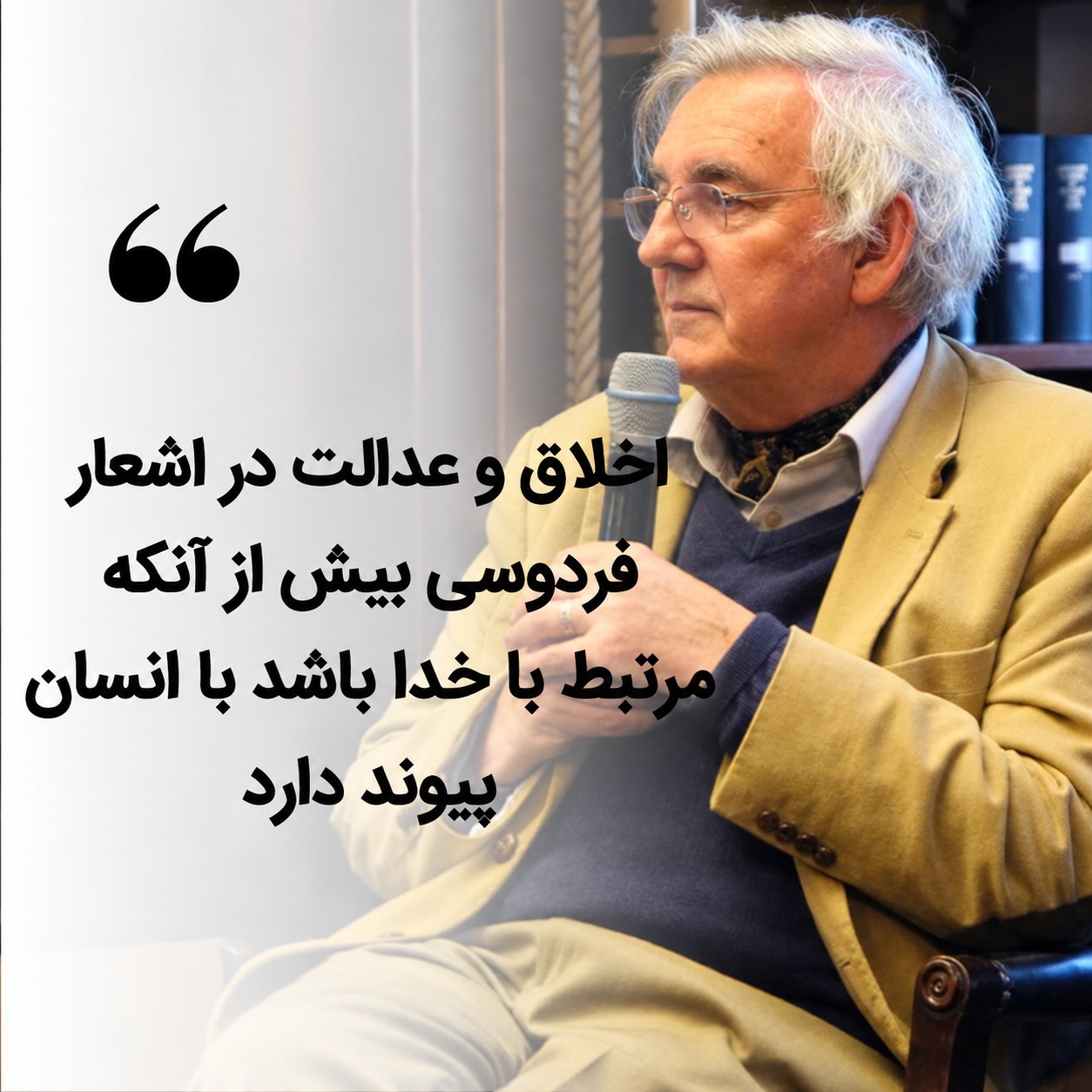
Dick Davis:
When considering a poet who lived in a bygone era—a time when religion was an undeniable and pervasive reality in the lives of most people, and when virtually every aspect of human existence was circumscribed by religious injunctions, prohibitions, and notions of propriety—one might naturally expect his poetry to dwell on the rewards and punishments of the afterlife. Yet, despite living in such an environment, Ferdowsi—remarkably—shows little interest in religion or faith in this sense. To some readers, this perspective might appear heretical, given that Ferdowsi is rightly renowned for his obsessive focus on ethical issues and his recurring attention to the dilemmas and constraints faced by those in power—a preoccupation clearly evident in the tales of Siyavash and Esfandiyar. Furthermore, Ferdowsi is deeply concerned with justice; indeed, one astute commentator has described the Shahnameh as an epic of justice. However, it must be emphasized that a preoccupation with ethical matters and the pursuit of justice does not necessarily entail a religious worldview. In Ferdowsi’s poetry, ethics and justice are linked more to humanity than to God.
Updated: GenZ's Goals & Ideals in Contrast with the Ideology of the Mujahedin-e Khalq
|
⚠️ PARS IS NOT INTERESTED TO SUCH CONTENTS |
So behind the iron pride lies a hidden secret: an invisible bridle woven not from rope, but from the golden chains of dowry coins. However loudly the Iranian man may roar, deep down his heart trembles at the threat of, “Go ahead and enforce the dowry claim.” Every time his wife calmly says, “Do you remember my dowry?” a subtle but unmistakable shiver runs through the depths of his soul.
Yesterday’s fierce cat, standing in the notary office today, has become a tame gazelle—worried eyes, trembling hands, signing a settlement agreement.
Women, within the context of marriage and family relationships, possess certain tools which, if used deliberately and maliciously, can lead to the economic, social, and psychological destruction of men. This is a situation that either does not exist in many other countries—such as those in Europe, North America, and East Asia—or exists with much more carefully balanced safeguards.
 |
 |
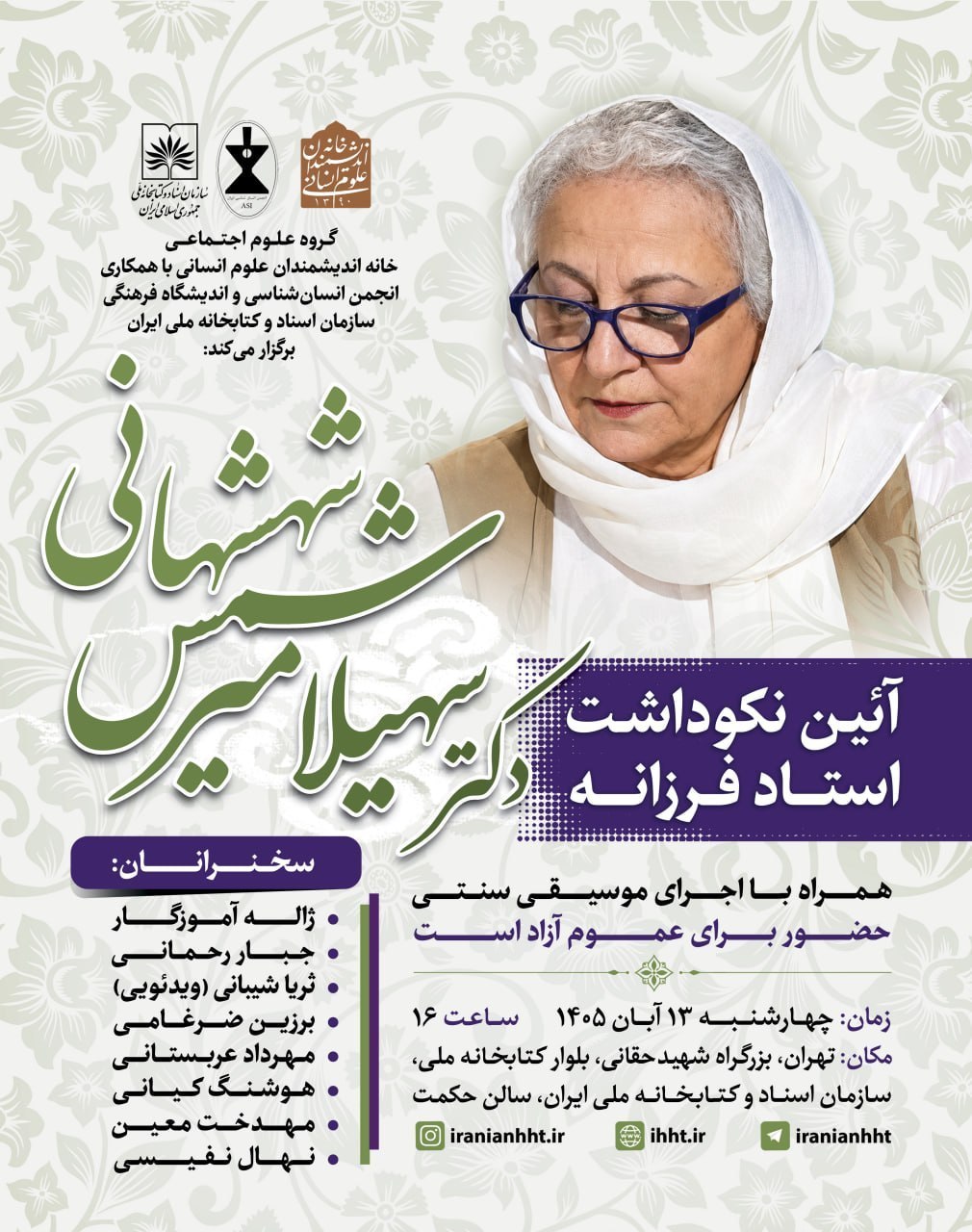
As part of its ongoing initiatives to honor and recognize pioneering and influential women in the fields of history, culture, and literature, the Association of Women Historians has organized a tribute ceremony for the distinguished scholar of archaeology and history, Dr. Fakhri Daneshpour-Parvar
First, the institution of dowry in Iran, which on the surface is viewed as a traditional and ethical contractual arrangement, has in practice become a legal instrument of pressure. A woman can invoke the registered dowry—even if it is symbolic, such as 1,000 gold coins—at any time and without needing to provide any particular justification, and pursue its collection through legal channels, potentially driving a man toward imprisonment and the complete seizure of his assets. No developed country has a legal mechanism with such breadth and enforcement power.
 |
 |
 |
 |
|

-
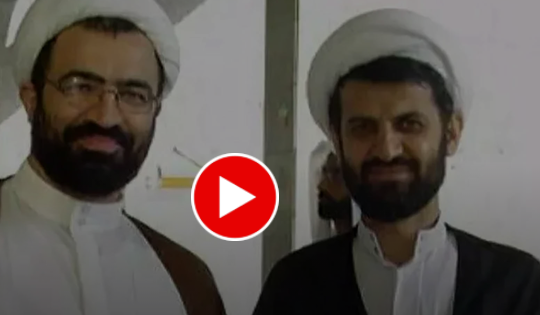
Regarding the term "Pars" (as opposed to "Fars")—is the following person(in the video) a teacher of literature and language at the University of Tehran?
-
Historically, the term "Pars" specifically refers to the people of the Shiraz region.
-
Following the collapse of the Achaemenid and Sassanid empires, Iran has consistently been referred to as "Pars"—a usage rooted in habit and a deep-seated affection among Iranians for sites like Persepolis and Pasargadae.
-
Even during periods of foreign domination—such as under the Seljuks—Iranian rulers remained in power; the source for this is cited on the website.
-
No educated person would deny that the governance of "Pars"—or Iran—has always comprised various ethnic groups. This reflects the cosmopolitan system established by Cyrus the Great, as embodied in his famous peace cylinder.
-
The individual featured in the video recently characterized Socrates and Aristotle as misogynists; this alone serves as sufficient evidence to gauge the intellectual caliber and perspective of such individuals within society.
Dowry story continuation:
Second, the transfer of assets into a wife’s name, often done because of social pressure or in an effort to preserve family life, can in many cases become a tool for settling scores. After receiving property, vehicles, or shares, women may fully benefit from the legal protections attached to ownership, while men often have little practical ability to reclaim those assets or mount an effective challenge.
Third, and perhaps most importantly, the cultural and social influence of a woman’s family—especially her brothers—in certain social groups and regions of Iran can become a means of intimidation, coercion, or even violence. There have been cases in which, under the banner of “family honor,” a wife’s brother or relatives have engaged in physical aggression, psychological harassment, or threats against a son-in-law, without receiving a decisive response from judicial or law-enforcement authorities.
This trio—dowry claims, property ownership, and cultural backing—effectively places powerful instruments in the hands of women who, if they choose, may be able to strip a man of his financial security and destroy his social standing within a short period of time and without needing to establish judicial or moral wrongdoing.
 |
 |
⚠️🫵
PARS CONSIDERS IRANINTLTV AND CHANNELONETV SAME AS JUDAISM ISLAMISM CHRISTIANITY EXTREMISTS AND TOP GRADE PUBLIC ENEMIES INCLUDING ALL THEIR STAFFS
While many advocates of women’s rights rightly emphasize the forms of discrimination that women face in other areas, it should also be acknowledged that in the specific sphere of marital relations in Iran, this imbalance of power can operate in favor of women and, if abused, may produce consequences far more severe than they initially appear.
This situation calls for serious reconsideration of family law, dowry regulations, and property rights, along with the creation of a genuine legal and cultural balance between men and women. The absence of such balance not only leads to the personal ruin of some men, but also undermines the institution of the family from within.
 |
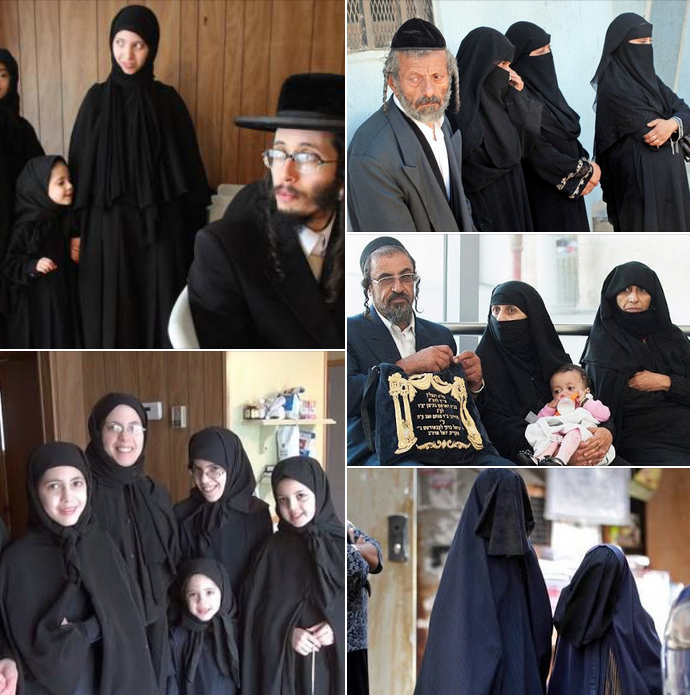 |
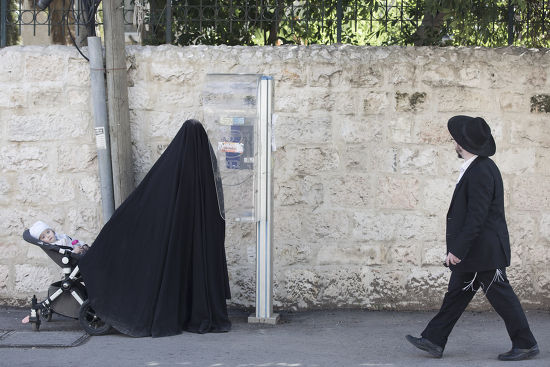
The "Haredi burqa sect" (Hebrew: נשות השָאלִים Neshót haShalím, lit. 'shawl-wearing women') is a community of Haredi Jews that ordains the full covering of a woman's entire body and face, including her eyes, for the preservation of modesty (tzniut) in public. In effect, the community asserts that a Jewish woman must not expose her bare skin to anyone but her husband and immediate family. The garment in question, known as a shal (שָאל, lit. 'shawl'), is also referred to as a frumka—a portmanteau of the Yiddish-language word frum and the Arabic-language word burqa. The Haredi burqa sect is primarily concentrated in Israel, and particularly in the Israeli city of Beit Shemesh.
There was a pair of storks that always nested atop a tall column at the Audience Palace in Pasargadae. This documentary film is titled "Amazing Iran" (French: *La Perse merveilleuse*) and was produced in 1977 by the French filmmaker Roger Guillaume:
That's what she says:
در نومیدی بسی امید است
پایان شب سیه سفید است
In despair, hope lingers on
The darkest night gives way to dawn
Charlotte de Witte & A portion of a poem by Nizami Ganjavi
 |
بيا تا گل برافشانيم و می در ساغر اندازيم
فلک را سقف بشکافيم و طرحی نو دراندازيم
اگر غم لشکر انگيزد که خون عاشقان ريزد
من و ساقی به هم سازيم و بنيادش براندازيم
 |
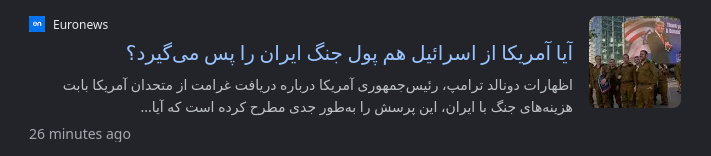
Nasiri, the former managing director and editor-in-chief of Kayhan, stated: "Use Iran’s frozen funds to arm individuals inside Iran, so that if American and Israeli forces land in Iran, these trained individuals can also take action alongside them." |
 |
|
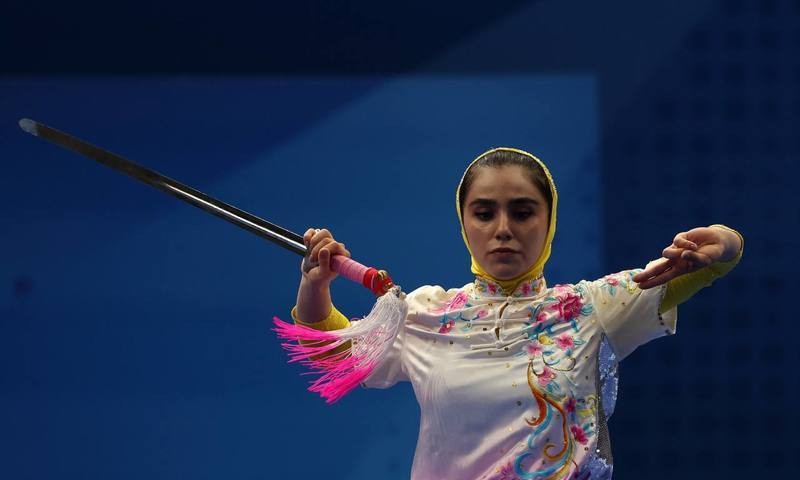
The representative of the Iranian women's national judo team faced Mongolia's Khoslen Otgonbayar in her opening bout; she secured a decisive victory by ippon and advanced to the quarterfinals.
 |
 |
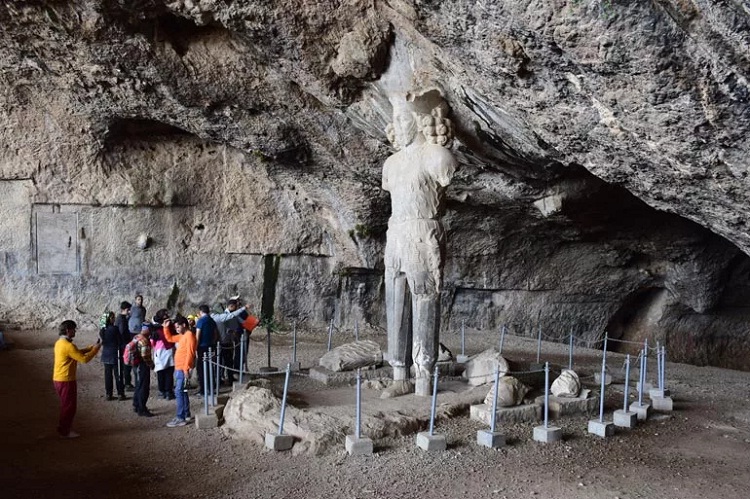 Statue of Shapur IThe first phase of the project to organize and preserve the statue of Shapur—located in Shapur Cave in Kazerun County—began on the first of Mehr, 1405 (Solar Hijri calendar). A key component of this initiative is the restoration of the statue itself, a magnificent relic of ancient Iranian sculpture and the largest statue in the history of Iran. |
|
Just as the concept of "empty space" does not exist in Iranian art, the previously included content within this space has—under certain conditions—been removed, and those responsible for it have been pardoned.
Page Term Reference
Comments