
PARS RECORDS Ⓜ️all

 |
 |
 |
Preserve the central idea of the Pars Enterprise procedure while making the implementation less dependent on /dev/sda, explicit about UUIDs, and suitable for both BIOS and UEFI environments. The original procedure itself uses the same PEOSG/LUKS/LVM/ZFS/filesystem/token sequence. SYSTEM BOOT ENCRYPTED! |
KINGS VERSION

|
DOWNLOAD €10.00 EUR/ot |
DOWNLOAD €10.00 EUR/ot |
|
PARS ENTERPRISE GNU/LINUX EDITION
|
PARS ENTERPRISE FREEBSD EDITION
|
DIGITAL FORENSIC SUITE €0.00 EUR/ot
 |
 |
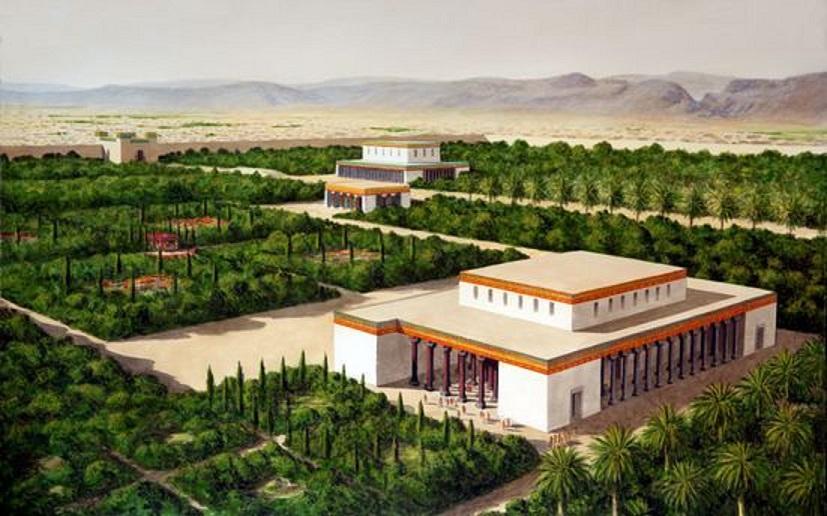
Paridaida — the enclosed Persian garden
The most important term is Old Persian 𐎱𐎼𐎡𐎭𐎠𐎹𐎢 (paridaida), generally understood as an enclosed garden, park, or pleasure garden.
It developed through languages roughly as:
Old Persian paridaida → Greek parádeisos → Latin paradisus → European “paradise”
The Greek parádeisos was used for magnificent Persian royal parks and gardens. This is the linguistic origin of the English paradise.
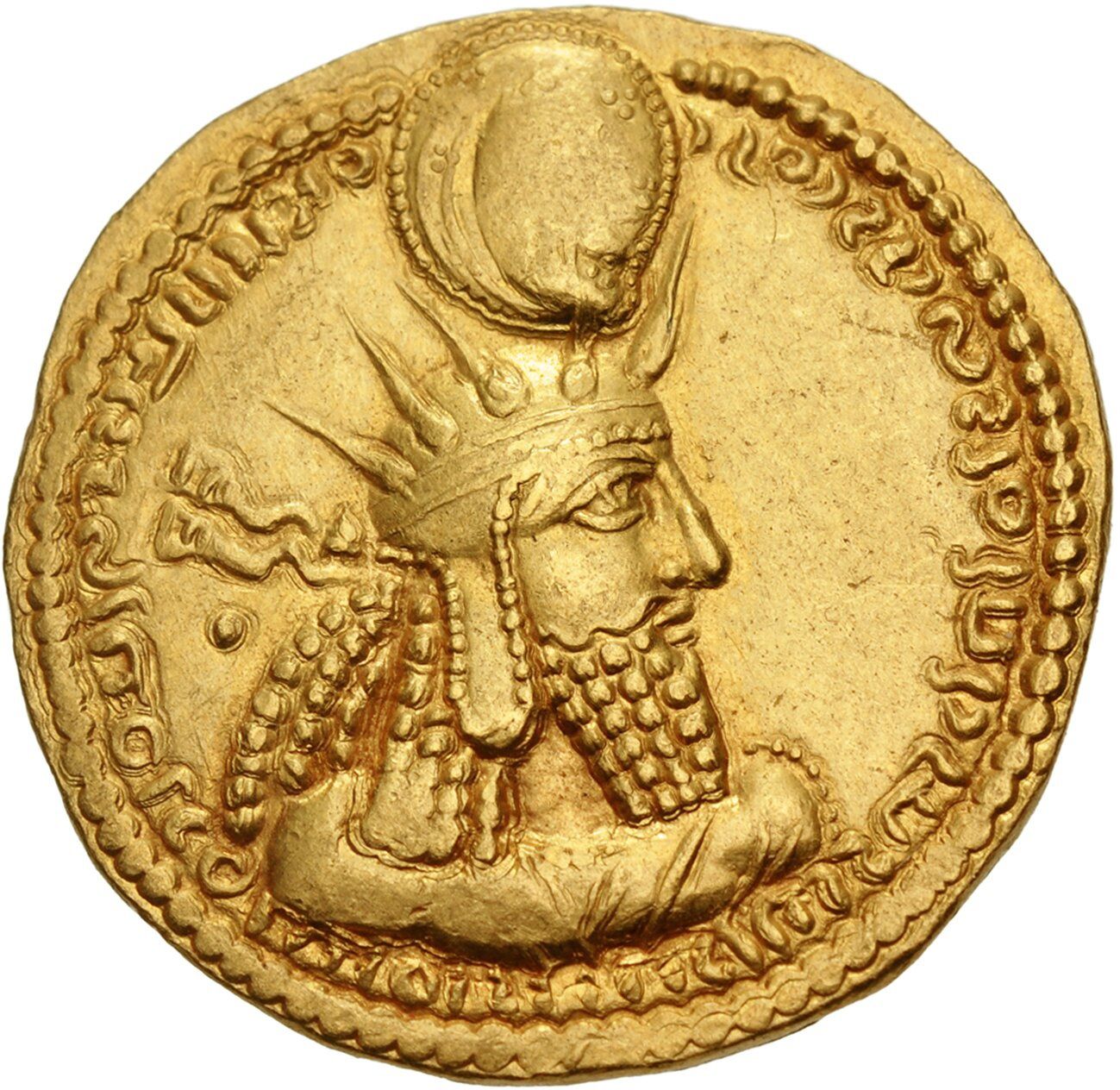
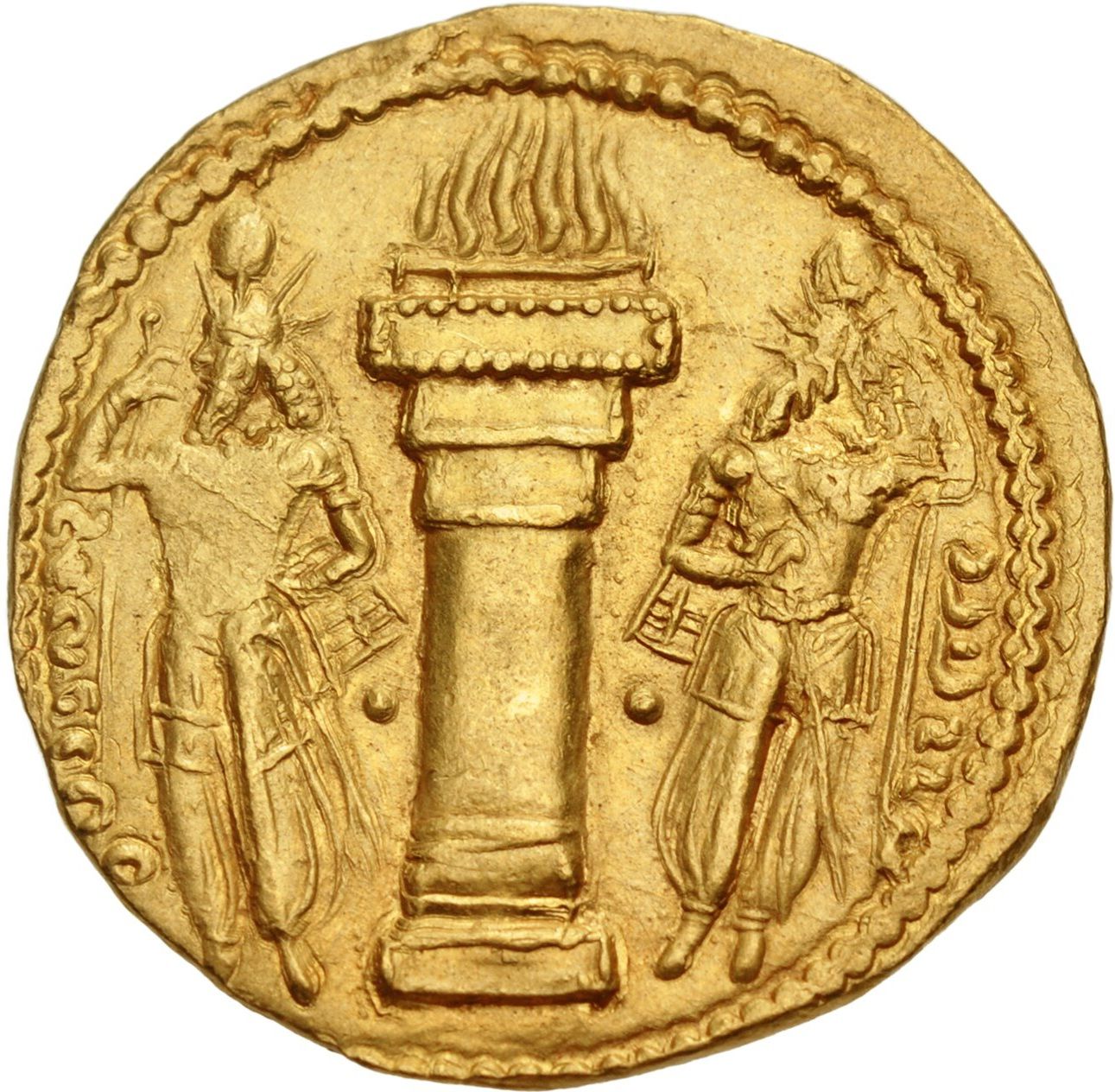
Dinar - Bahram I Style A/c - pellets
Learn About: The Azerbaijan Origins
 |
 |
The Persian garden as an ordered cosmos
The Persian garden was not simply a beautiful piece of land
The ideal garden represented order imposed upon nature:
- water was carefully brought into the garden;
- trees and vegetation were deliberately arranged;
- walls separated the cultivated world from the surrounding wilderness;
- channels distributed water;
- the garden could contain fruit trees, flowers, shade and wildlife;
- geometric organization created a sense of harmony.
This is particularly visible at Pasargadae, where archaeological evidence reveals a highly organized garden associated with the Achaemenid royal complex.
The later Persian chahār-bāgh ("four gardens") developed this concept further, using a quadrilateral division with water channels and pathways.
🔺 EXCLUSIVELY COPYRIGHTED © PARS ENTERPRISE™ ALL RIGHTS RESERVED Ⓜ️
Water is extremely important
This is one of the most interesting connections when thinking about Eden.
In the Persian plateau, where water was precious, the controlled distribution of water could have enormous symbolic significance.
A Persian garden transformed a dry or semi-arid landscape into an enclosed place of:
water + vegetation + shade + fertility + order
The garden therefore became almost a miniature representation of a perfectly ordered world.
This is different from saying that Persian gardens were the source of the biblical Eden story. There is no solid evidence for that direct claim. But the conceptual comparison is important.
The true measure of a life lies not in the number of years we live, the achievements we accumulate, or the recognition we receive, but in the lasting difference we make in the world. Every thought, word, decision, and action carries the potential to shape the lives of others and influence the world around us. Whether through a gesture of kindness, an act of courage, the pursuit of knowledge, or a contribution to the common good, each of us has the opportunity to leave something meaningful behind. Ultimately, a life well lived is one that extends beyond personal success and individual fulfillment—a life that leaves the world, however modestly, wiser in its understanding, kinder in its spirit, more prosperous in its opportunities, and brighter in its promise for future generations.
 |
 |
 |
|

Zoroastrian concepts of the ideal world
Ancient Persia religious traditions also contain concepts involving an idealized creation, cosmic order, and the restoration of creation.
A central Zoroastrian concept is Aša (Avestan aša), commonly translated as truth, order, or righteousness.
Its opposite is druj, associated with falsehood and disorder.
This produces a fundamental Persian religious contrast:
Aša → order, truth, proper creation
versus
Druj → disorder, deception, destruction
The ideal garden can therefore be understood within a much broader Persian cultural appreciation of ordered, fertile creation.
Pairi-daēza in Persian languages
The Old Persian paridaida has an Avestan counterpart usually reconstructed as pairi-daēza.
Its components are commonly explained approximately as:
pairi = around / surrounding
daēza = wall / enclosure
So the basic concept is something like:
"an enclosure" or "a place enclosed around."
That is important because the original meaning of paradise was not necessarily "heaven."
It was fundamentally associated with an enclosed garden or park.
Only later did paradise acquire its strongly religious meaning in various traditions.
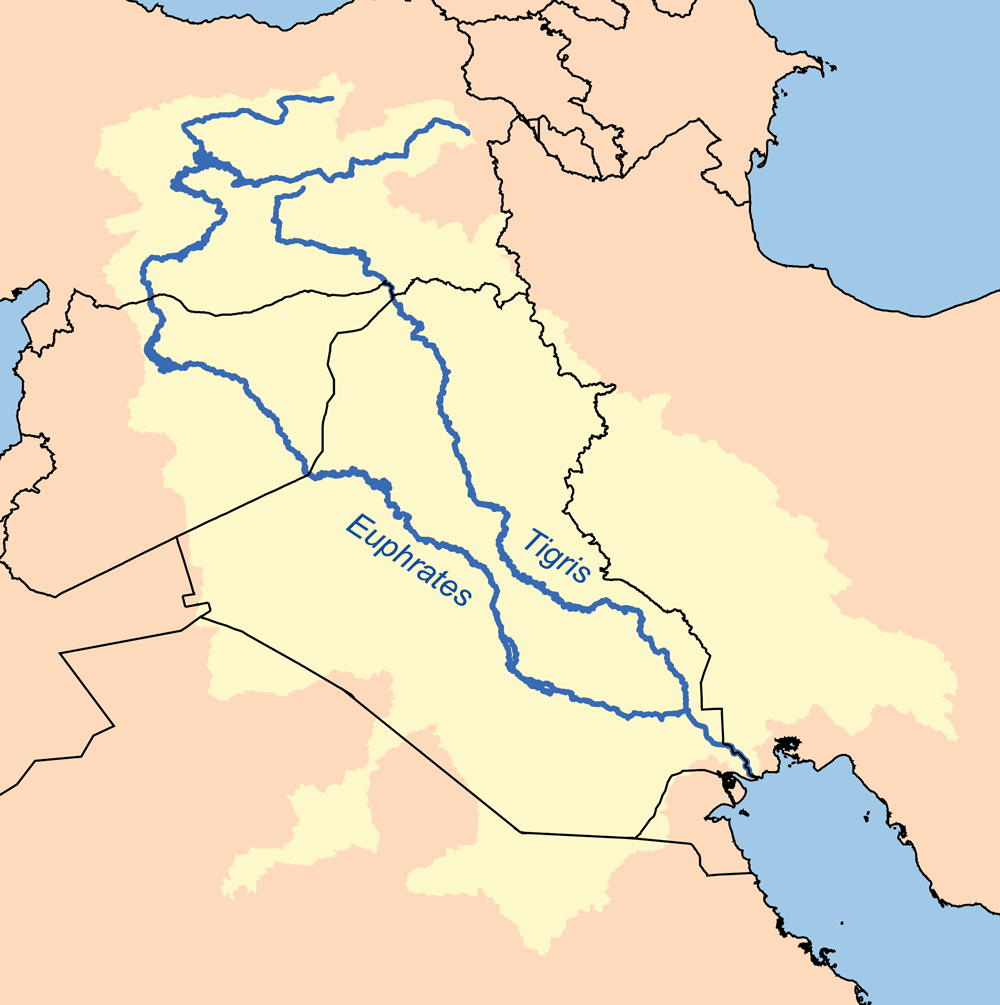
The Persian Airyanem Vaejah
There is another fascinating concept in the Avesta: Airyanem Vaejah (Airyanəm Vaējō), traditionally rendered something like "the expanse of the Aryans."
It appears in the Vendidad as the first and particularly significant of the lands created by Ahura Mazda.
Later interpretations have associated it with an original homeland or primordial ideal landscape, although its exact geographical identification remains disputed.
It is important not to simply equate Airyanem Vaejah with Eden. They belong to different textual and religious traditions. But for comparative study, the concept is interesting because both traditions preserve ideas about an ideal primordial environment associated with creation.
The Persian pairidaeza and the biblical Eden
The comparison becomes particularly interesting if we separate linguistic influence from conceptual parallels:
| Concept | Iranian/Persian tradition | Biblical tradition |
| Ideal garden | pairidaida / pairi-daēza | Garden of Eden |
| Enclosure | Fundamental to pairidaida | Eden is a bounded sacred space |
| Water | Central to Persian gardens | River flows from Eden |
| Vegetation | Fertility, abundance | Trees and abundant vegetation |
| Order | Garden organized according to human/divine design | God establishes the garden |
| Sacred/royal space | Persian royal gardens | Divine primordial garden |
| Paradise | Later paradise develops from Persian terminology | Eden later becomes associated with Paradise |
The crucial point is that “paradise” is linguistically Iranian/Persian in origin, whereas “Eden” is a Hebrew biblical concept. They became closely associated in later religious and literary traditions, but they should not be treated as originally identical.
And there is an especially interesting historical development: Achaemenid Persian royal gardens → Greek parádeisos → Hellenistic/Roman usage → Jewish and Christian literary usage → European “paradise.”
That history is one of the strongest Persian contributions to the vocabulary and imagery of the Western concept of Paradise.