Environment

 
By admin , 22 September, 2026

14. Iran and Israel as Geographically Unequal Targets:
The enormous difference in territorial scale means that the consequences of an identical number of nuclear detonations would not necessarily be geographically equivalent. A country with enormous territorial depth and a country occupying a much smaller geographic area cannot be assumed to experience identical consequences. This is the foundation of the argument that an attacker must consider not only its ability to strike Iran, but Iran's ability to retaliate against a much more geographically concentrated opponent. In this context, the analogy that Israel's territory is comparable to an island relative to Iran's vast landmass illustrates the magnitude of the geographical asymmetry. The comparison is rhetorical, but it expresses a genuine strategic concept: territorial depth affects survivability.

By admin , 22 September, 2026

۱۴. ایران و اسرائیل به‌عنوان اهدافی با آسیب‌پذیری جغرافیایی متفاوت:
اختلاف عظیم در وسعت سرزمینی بدان معناست که پیامدهای تعداد یکسانی از انفجارهای هسته‌ای لزوماً از نظر جغرافیایی برابر نخواهد بود. نمی‌توان انتظار داشت کشوری با عمق سرزمینی عظیم و کشوری با قلمروی بسیار کوچک، الزاماً پیامدهای یکسانی را تجربه کنند. این اساس استدلالی است که بر مبنای آن مهاجم باید نه فقط توانایی خود برای حمله به ایران، بلکه توانایی ایران برای تلافی علیه رقیبی بسیار متراکم‌تر از نظر جغرافیایی را نیز در محاسبات وارد کند. از این منظر، تشبیه وسعت اسرائیل به یک جزیره در مقایسه با سرزمین وسیع ایران، ابزاری برای نشان دادن اهمیت این عدم تقارن جغرافیایی است. مقایسه جنبه‌ای بلاغی دارد، اما مفهومی واقعی در استراتژی را بیان می‌کند: عمق سرزمینی بر بقاپذیری اثر می‌گذارد.

By admin , 31 July, 2026

The modern food industry has transformed the way people eat. Advances in food science have made it possible to produce foods that last longer, cost less, and are available year-round. These products often contain synthetic ingredients, preservatives, artificial sweeteners, colorings, flavor enhancers, and other food additives. While these innovations have improved food safety and accessibility, concerns have grown about their potential impact on human health, particularly regarding cancer and type 2 diabetes.

By admin , 18 July, 2026

The existence of nuclear weapons represents one of the greatest dangers facing humanity in the modern era. While nuclear deterrence has often been presented as a mechanism for maintaining global stability, the reality remains that these weapons are controlled by political systems with competing ideologies, Parties interests, historical grievances, and military doctrines. This article critically examines the security concerns surrounding Pakistan, Israel, North Korea, and the United States, focusing on the dangers created when nuclear capabilities exist under governments facing accusations of extremism, aggressive strategic doctrines, human rights controversies, or historical records of devastating warfare.

By admin , 5 January, 2026

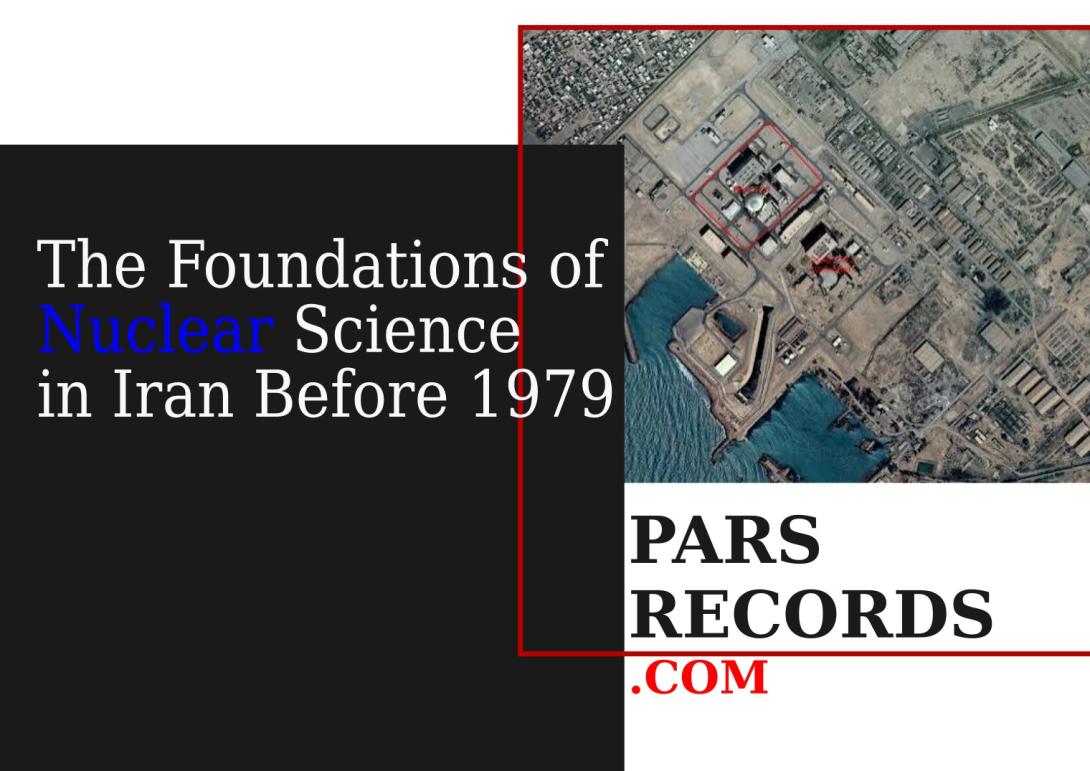
The development of nuclear science in Iran predates the 1979 Islamic Revolution and emerged as part of a broader modernization strategy pursued during the reign of Shah Mohammad Reza Pahlavi. Beginning in the 1950s through cooperation with the United States under the "Atoms for Peace" program, Iran established research institutions, trained nuclear scientists, acquired research reactors, and launched ambitious plans for nuclear power generation. By the late 1970s, Iran possessed a growing scientific community, an institutional framework for nuclear research, and several major international nuclear agreements. This article examines the origins, institutional development, scientific infrastructure, and international partnerships that shaped Iranian nuclear science before 1979.


By admin , 16 November, 2025

In recent years, Iran has faced increasingly complex migration dynamics driven by regional instability, economic disparities, and evolving security challenges. In response, the Iranian government has adopted a strategic and systematic approach to managing irregular migration flows, combining border control, humanitarian considerations, and regional cooperation. This approach has been framed domestically as both a security necessity and a tool for preserving social and economic stability.

By admin , 30 July, 2024

AI has become a powerful tool in genomics, transforming how we analyze and interpret large-scale genomic data. Here are some key ways AI contributes to this field:

Pattern Recognition
AI algorithms, particularly deep learning models, excel at identifying patterns within large datasets. In genomics, this means AI can detect complex patterns in DNA sequences that might be missed by traditional methods. For example, AI can help identify genetic variants associated with diseases by recognizing patterns in gene expression data.